Charleston treats dinner as a headline attraction, and the city's kitchens have the hardware to justify it — more James Beard recognition per block than anywhere in the South and a canon, Lowcountry cuisine, with four centuries of documented history. Eating well here is not hard; eating at the level the city makes possible takes a plan. This is that plan.
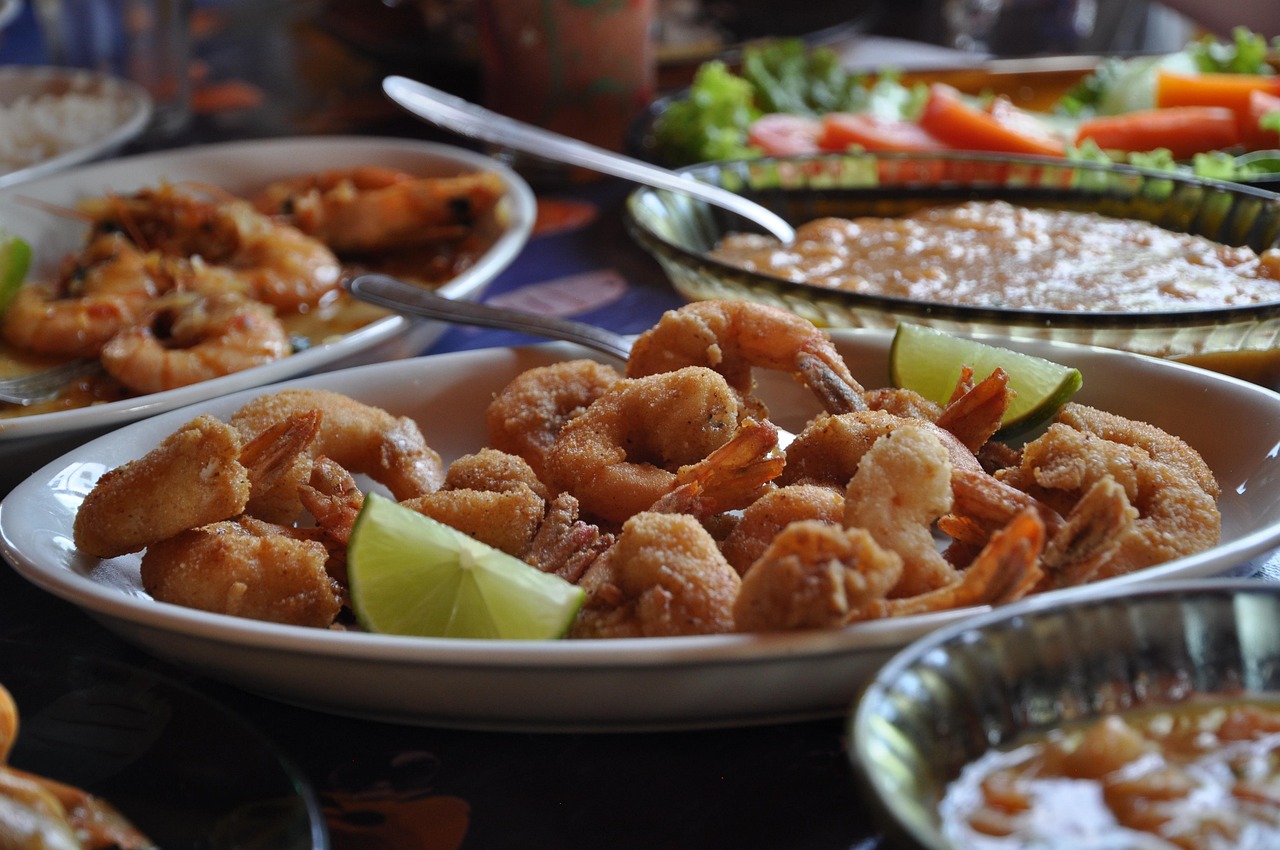
The canon, decoded. Lowcountry cooking is the rice-and-shellfish table built by the region's Gullah-Geechee kitchens on the back of the Carolina Gold rice economy: shrimp and grits (canonized here — order it anywhere that mills its grits), she-crab soup (the sherry-laced bisque with the butler-legend origin; one good bowl per trip suffices), red rice, okra soup, hoppin' john, benne wafers, and the oyster roast — the Lowcountry's communal winter sacrament. The modern renaissance runs on recovering exactly this heritage: the heirloom-grain revival brought Carolina Gold itself back from extinction, and the city's best menus footnote their history. Understanding that arc is the difference between eating out and eating Charleston — a guided culinary tour on day one installs it in three delicious hours.
Reservation strategy. The hard truth: the marquee rooms book out two to four weeks ahead, release tables at predictable windows (set alerts, check at 9 and 10am for same-week drops), and hold bar seats for walk-ins — the local move is arriving at 5pm sharp and eating the full menu at the bar. Lock your trip's dinners when you book flights; triage the list with anyone local — or your culinary-tour guide, who does it professionally.
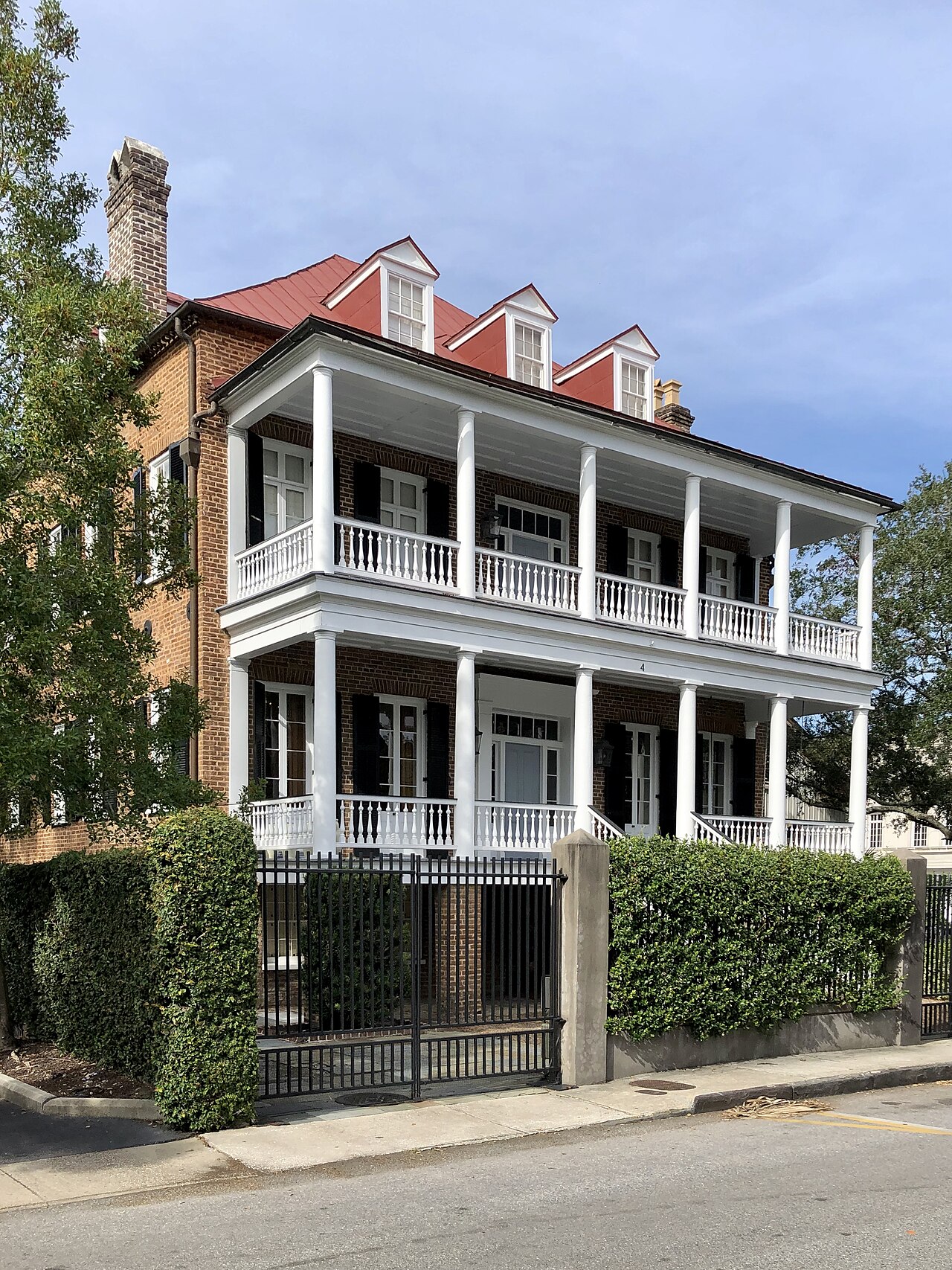
The neighborhood map. East Bay and the French Quarter run the classic rooms — she-crab soup distance from the inns, old-Charleston service, the special-occasion tier. Upper King Street is the chef district: the renaissance's engine room, where the tasting counters, the new-wave Southern rooms, and the cocktail bars stack for blocks — stay nearby or budget the ride home. The Market's tourist spine holds honest classics among the traps (mill-ground grits and a raw bar are the tells). Over the bridges, Sullivan's Island does shrimp rolls and beach-bar oysters, Folly does tacos in flip-flops, and the Wagener Terrace-and-north pockets hide the neighborhood rooms locals defend. Budget note: the city's best cheap eating is its lunch counters and its oyster happy hours — the canon costs less at noon.
Ordering moves. Ask what the kitchen mills or cures itself; order the vegetable sides like they matter (in Lowcountry kitchens they do); take the server's oyster advice by water, not by brand; say yes to benne anything; and treat the wine list's Madeira page as the history lesson it is — Charleston drank Madeira when Madeira mattered, and the good rooms still cellar it.
The pairings. The City Market's sheds for benne wafers and praline air between meals; the culinary walk early; and breakfast biscuits wherever the line of locals points. Three days eats roughly seven meals that matter — this city can make all seven count.