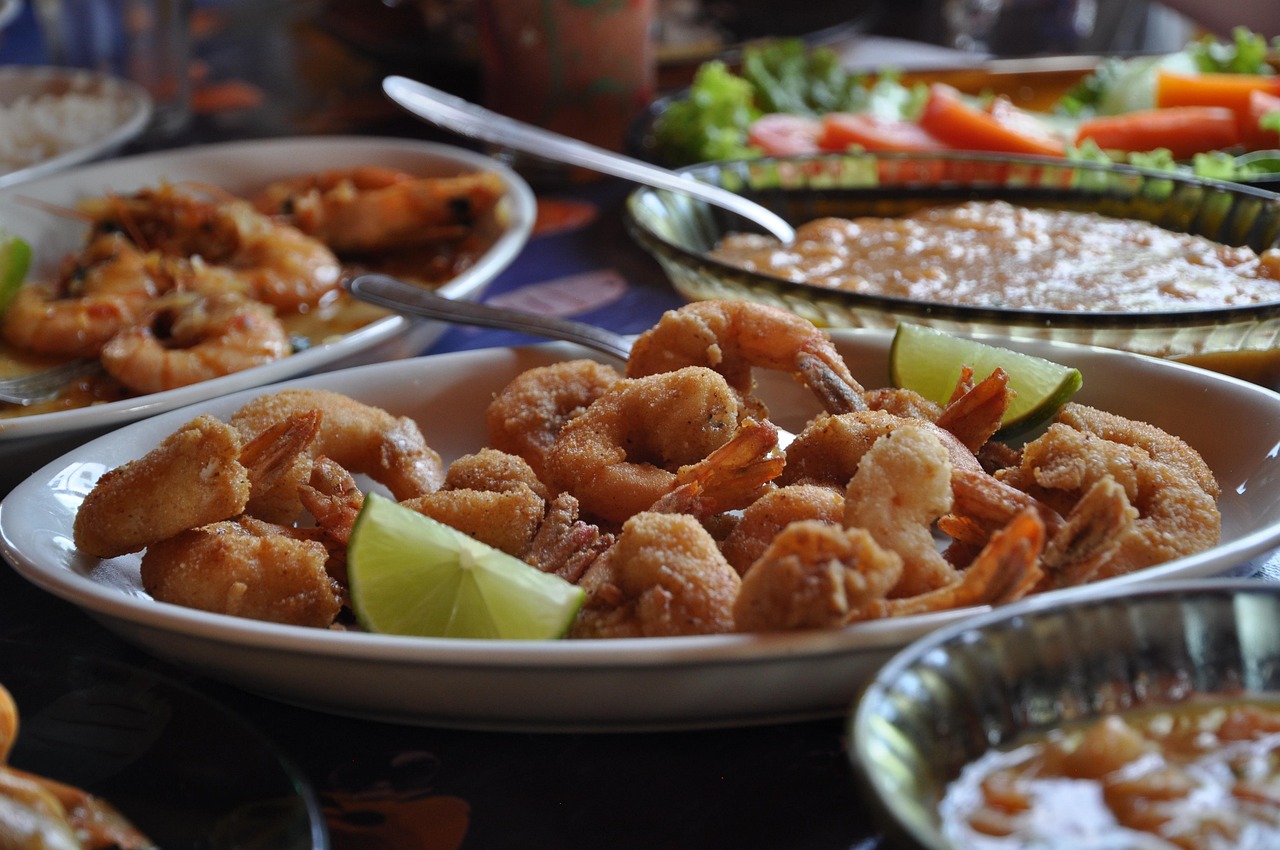
Charleston Culinary Tours
The table of contents for a city of dinners
⏱ 2.5-3 hours👤 All ages$$$
Get Tickets
Get Culinary Tour Tickets
Skip the line · mobile tickets accepted at the door
The curriculum is why the tour beats freelancing: Charleston's table is a history lesson — Carolina Gold rice built the city (and the plantation economy whose enslaved labor built the cuisine), the Gullah-Geechee kitchens of the sea islands canonized the dishes (red rice, okra soup, benne wafers, the rice-and-shellfish grammar underneath everything), the twentieth century nearly lost it all, and the modern renaissance (the Beard-decorated wave from Husk's locavore manifesto onward, the heirloom-grain revival that brought Carolina Gold itself back from extinction) runs on recovering exactly that heritage. A good guide connects every bite to that arc — the she-crab soup to its butler-legend origin, the grits to the mill revival, the benne wafer to its West African seed — and the tastings land as chapters rather than samples.
Choosing the route: the historic-district classic covers the canon (best first tour); Upper King crawls read the modern chef district; market tours pair the City Market's vendors with kitchen stops; evening oyster-and-cocktail editions suit second nights; and the Gullah-focused walks — where the tradition's keepers tell it themselves — are the connoisseur's pick and the most important food story in the city. Logistics run alike: 2-3 hours, about a mile of flat walking, 4-6 stops totaling a full meal, dietary accommodation with notice, and small caps that sell out summer and festival weekends (Wine + Food in March empties the calendar) days to weeks ahead.
Fit and strategy: first-day placement converts the whole trip (your guide's restaurant map and reservation triage are worth the ticket alone); couples and food-first travelers are the core audience, families do fine on daytime market routes; and the pairing logic writes itself — City Market before or after a market route, and the dinner bookings your guide blesses that night. The honest sell: in a city where dinner is the headline attraction, the tour is the table of contents.
What to Expect
Format
Two-to-three-hour guided walks threading 4-6 tastings through the historic district or Upper King — rice-economy history, Gullah foodways, and the restaurant map narrated between bites.
Best Time
First day, strategically — then eat off the guide's map all trip. Summer and festival weekends book out ahead.
Duration
About three hours; tastings total a meal.
Tips
Go hungry — it adds up to lunch. The Gullah-focused routes are the deepest story in the city. Ask the guide to triage your dinner bookings; that advice pays the ticket.
⚡ Quick Picks
Best For
Food-first travelers on day one — the table of contents for a city where dinner is the headline.
Families
Daytime market routes suit kids; evening cocktail editions do not.
Couples
The oyster-and-cocktail evening edition, then the dinner your guide blessed.
Pair With
City Market's sheds before or after a market route; the trip's restaurant list, rebuilt.
Time Needed
One tour, first day — the rest of the trip is the homework.
Ready to book Culinary Tour?
Get Tickets →Frequently Asked Questions
How much food is it really?
Four to six tastings totaling a genuine meal — arrive hungry. Dietary needs are accommodated with booking notice.
Which route first?
The historic-district classic covers the canon; Upper King reads the modern chef scene; and the Gullah-cuisine walks are the connoisseur's pick — the most important food story in the city, told by its keepers.
Why book early?
Small caps in a reservation-economy city — summer weekends and festival season (Wine + Food in March especially) sell out days to weeks ahead.
What is Lowcountry cuisine exactly?
The rice-and-shellfish table built on Carolina Gold and Gullah-Geechee kitchens — shrimp and grits, she-crab soup, red rice, okra, benne — whose modern renaissance runs on recovering that heritage.
Is it worth it with dinner reservations already made?
Especially then — the tour is context for every meal after it, and guides triage reservation lists like sommeliers.
More Charleston Attractions
Browse all →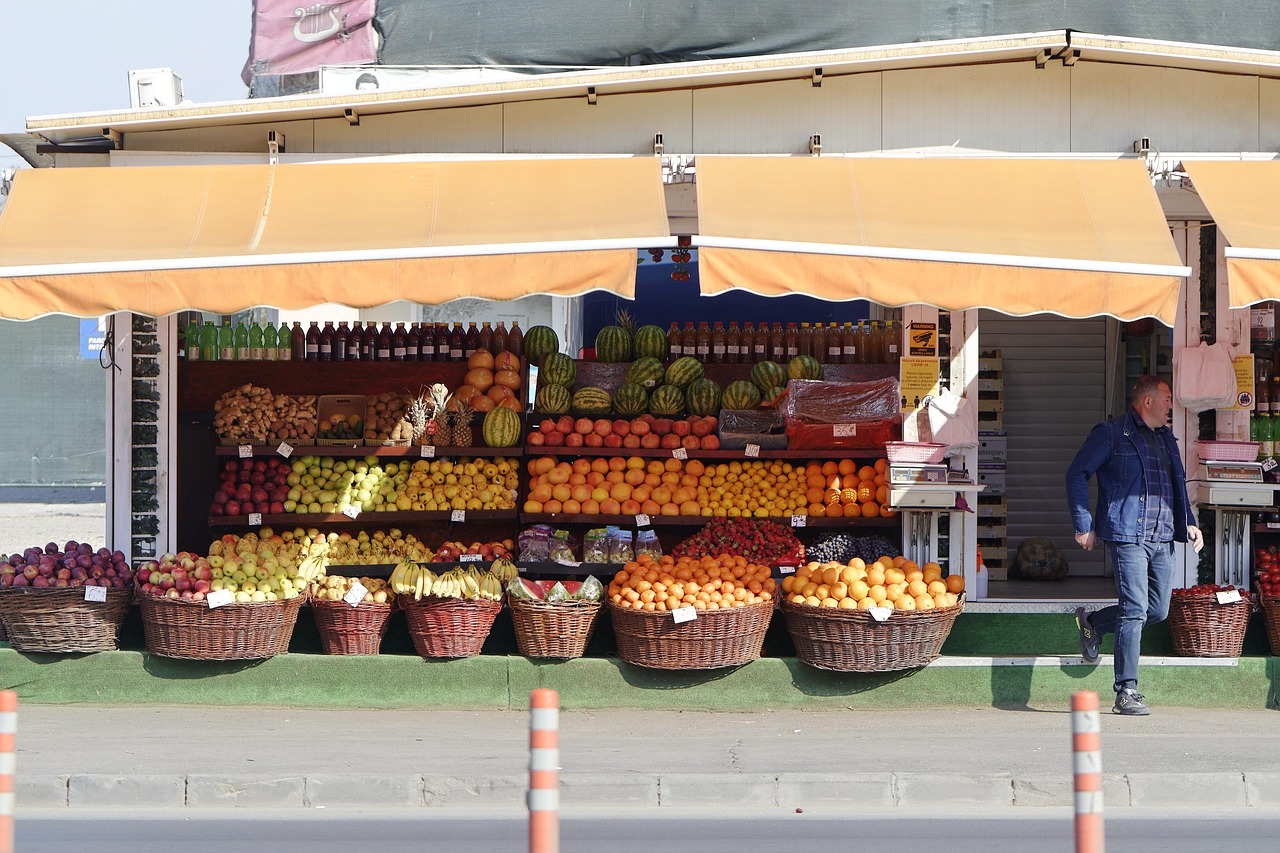
Charleston City Market
Four blocks of 1804 market sheds — the sweetgrass basket weavers whose Gullah art defines the city, 300 vendors of local make, the Confederate-museum hall above, and the night market's weekend lights. Free to wander.
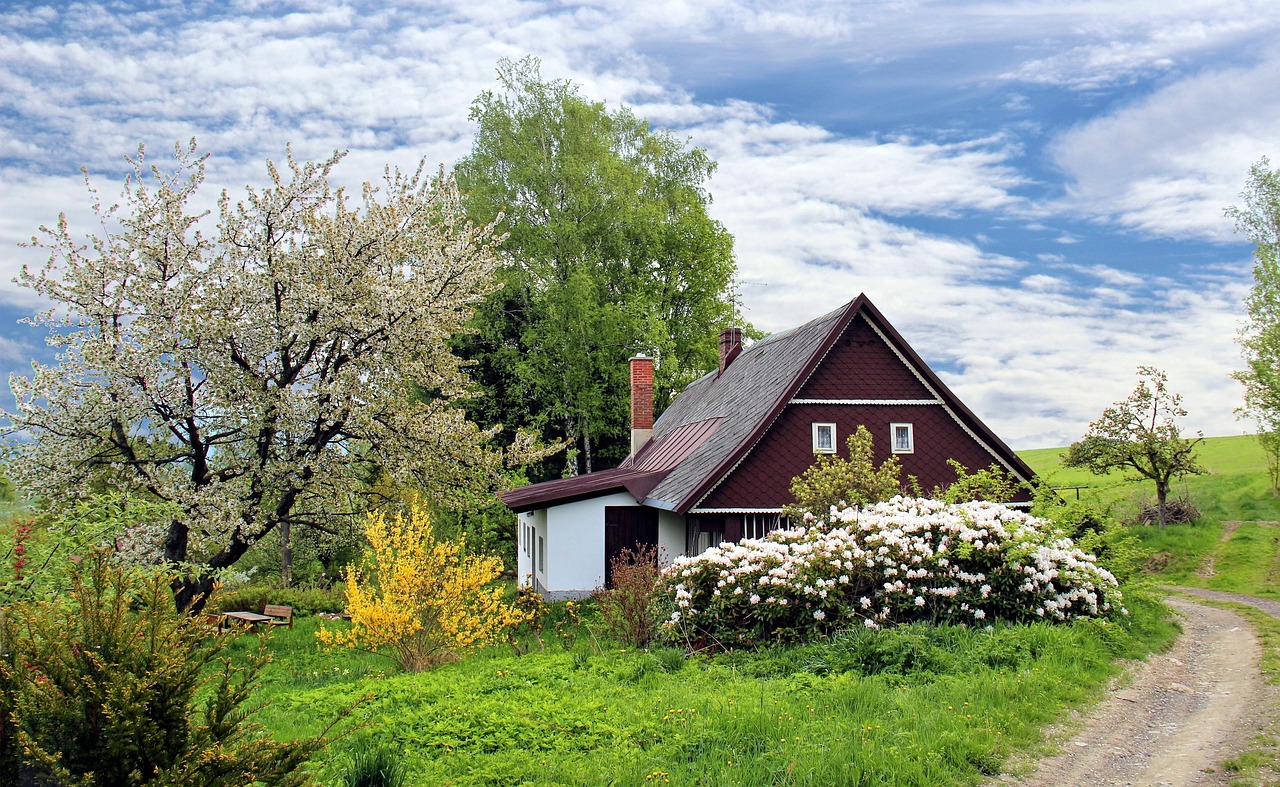
Rainbow Row & The Battery
The postcard mile — thirteen pastel Georgian houses on East Bay, then the seawall promenade past antebellum mansions to White Point Garden's oaks and cannons, with the harbor and Fort Sumter beyond. Free, iconic, essential.

Gibbes Museum of Art
The South's art story under a Tiffany-style dome — 1905 Beaux-Arts galleries of Charleston Renaissance painting, the nation's premier miniature-portrait collection, working artist studios, and contemporary shows that argue back.