Charleston City Market
Four blocks, two centuries, one correct souvenir
⏱ 1-2 hours👤 All ages$
Get Tickets
Get City Market Tickets
Skip the line · mobile tickets accepted at the door
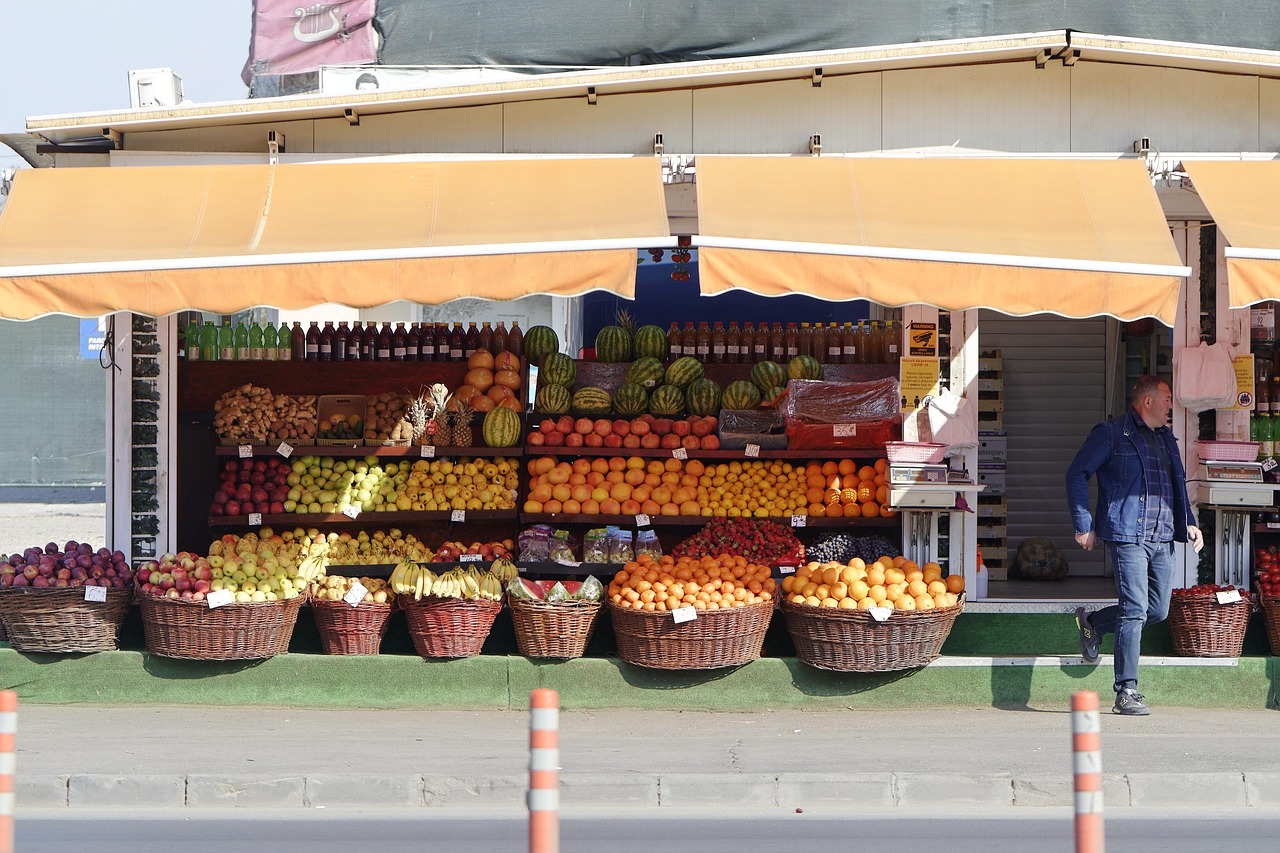
The institution's history corrects its own myth first: the market was never a slave market (the city's actual slave-trade sites are memorialized elsewhere, including the Old Slave Mart Museum nearby — guides and signage make the distinction with appropriate weight); it was the city's food market — established on Pinckney-family-ceded land in 1788 with the stipulation it remain a public market forever, built out in sheds down to the water through the early 1800s, where butchers, fishmongers, and produce sellers (with turkey buzzards as the sanitation department, a detail every tour relishes) fed the peninsula into the twentieth century. The 1841 Market Hall — Edward B. White's Greek Revival temple front — crowned it, and the sheds' survival through earthquake, hurricanes, and urban renewal made the complex a National Historic Landmark and the city's most-visited single site.
The sweetgrass tradition deserves its centrality: the coiled-basket craft traveled from West Africa's rice coast with enslaved people (the forms originally agricultural — rice fanners, storage), survived in the Gullah communities of Mount Pleasant's Highway 17 stands and these market stalls, and is now the Lowcountry's signature art form — museum-collected, festival-honored, and threatened by sweetgrass habitat loss the weavers will explain. Buying wisdom: prices reflect days of handwork (small pieces start reasonable; show-pieces run to four figures), every legitimate stall weaves on site or names its family, and the conversation — forms, grasses, lineage — is the provenance.
The practical visit: the four sheds run daily (roughly 9:30-6; the Great Hall's climate-controlled stretch anchors the Meeting Street end), the Night Market (Fri-Sat evenings in season, artisan-only rows) converts the blocks to string-lit stroll, and the surrounding ecosystem — praline shops venting sugar-air onto the sidewalks, the carriage barns loading across Anson Street, the restaurant spine of East Bay a block over — makes the market every itinerary's hub whether intended or not. Fit: all parties, zero tickets, and the one souvenir decision that matters made correctly: the basket, from the weaver, with the story attached.
What to Expect
Format
Four blocks of historic market sheds — 300 vendors, working sweetgrass weavers, the Great Hall's climate-controlled stretch — plus the weekend Night Market under string lights in season.
Best Time
Mornings for weaver conversation and shed air; Friday-Saturday evenings for the Night Market stroll (March-December).
Duration
An hour browsing, two with the basket decision done right.
Tips
The baskets are the souvenir that is art — buy from the weaving hands, ask about the grasses, expect fair prices for days of work. Mornings beat the cruise-crowd middays.
⚡ Quick Picks
Best For
Every itinerary's hub — the browsing hour that connects the Quarter's walks and feeds the souvenir question correctly.
Families
Pralines sampling, buzzard stories, and open sheds to roam — the easiest free hour with kids downtown.
Couples
The Night Market's string-lit rows are the after-dinner stroll; benne wafers travel home well.
Pair With
Carriage tours load a block away; the French Quarter inn district and East Bay's tables surround.
Time Needed
One real visit plus the walk-throughs the geography forces.
Ready to book City Market?
Get Tickets →Frequently Asked Questions
Was it a slave market?
No — the city food market since 1788, a distinction guides and signage make with appropriate weight. Charleston's actual slave-trade history is told at the Old Slave Mart Museum nearby, which deserves the visit.
Why are the baskets expensive?
Days of coiled handwork in a West African tradition carried through Gullah generations — Smithsonian-collected art sold by its makers. Small pieces start reasonable; the conversation is the provenance.
When is the Night Market?
Friday-Saturday evenings roughly March through December — artisan-only rows under string lights, the market's date-stroll edition.
How long has it operated?
Continuously since the 1804-era sheds (the land ceded in 1788 with a public-market-forever stipulation), under the 1841 Greek Revival Market Hall — a National Historic Landmark and the city's most-visited site.
What else is in the Hall?
The upper floor houses the Confederate Museum, the Daughters' long-running period collection — a separate ticket and a deliberately historical experience.
More Charleston Attractions
Browse all →
Rainbow Row & The Battery
The postcard mile — thirteen pastel Georgian houses on East Bay, then the seawall promenade past antebellum mansions to White Point Garden's oaks and cannons, with the harbor and Fort Sumter beyond. Free, iconic, essential.

Charleston Historic Trolley Tour
Narrated 90-minute trolley tour through the entire historic district — Battery, Rainbow Row, French Quarter, City Market, and the major churches — the easiest way to orient yourself on day one.

Gibbes Museum of Art
The South's art story under a Tiffany-style dome — 1905 Beaux-Arts galleries of Charleston Renaissance painting, the nation's premier miniature-portrait collection, working artist studios, and contemporary shows that argue back.