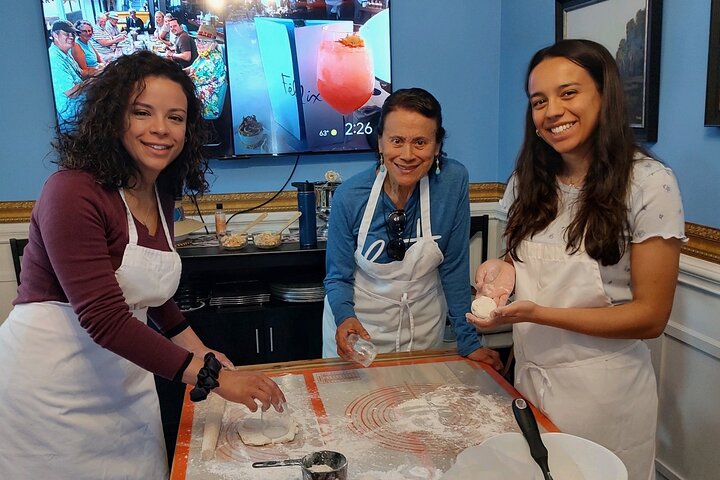
Hands-On Lowcountry Cooking Class
Learn the dishes, then eat them
⏱ 2-3 hours👤 All ages$$
Get Tickets
Get Cooking Class Tickets
Skip the line · mobile tickets accepted at the door
The value of a class lies in the conversation as much as the cooking. Instructors tend to be local and happy to talk about where the ingredients come from, which restaurants they admire and how the city's food has changed. Ask about regional staples, from she-crab soup to benne seed cookies, and about the Gullah Geechee contributions that underpin the cuisine. If you have dietary needs, tell the organizer when you book, because menus are planned in advance and substitutions need notice.
It suits most groups. Couples enjoy the shared task, friends make it a social event, and families with older children find it an easy way to get them involved. Teams and celebrations use it as a bonding activity. Because the class is small, the experience feels personal, and the cooking is manageable even for those who rarely use a stove. Wear closed shoes and clothes that can handle a splash, and arrive hungry, because portions are generous.
Practical notes: classes are held in the historic district or nearby, at scheduled times that vary by day and season, and advance reservations are needed. Check the duration, menu and any alcohol policy when you reserve, since details differ by session. A class works well in the late afternoon, so that dinner is the product of the lesson. It pairs naturally with the farmers market on a Saturday morning or a food tour earlier in the stay, giving you a rounded picture of Lowcountry eating. If you are visiting in summer, the air-conditioned kitchen is a welcome break from the midday heat.
What to Expect
Format
A small-group, hands-on cooking class focused on Lowcountry dishes, finishing with a shared meal and recipes to take home.
Best Time
Late afternoon so that the class becomes dinner; a good rainy-day or summer-heat option.
Duration
Typically two to three hours; confirm the length for your session.
Tips
Tell the organizer about dietary needs when you book. Wear closed shoes. Arrive hungry.
⚡ Quick Picks
Best For
Food lovers who want to learn the Lowcountry kitchen, not just eat in it.
Families
Works for older children who like to help in the kitchen.
Couples
A shared task and a shared meal make an easy, social evening.
Pair With
The Saturday farmers market in the morning, or a food tour earlier in the stay.
Time Needed
An afternoon or evening.
Ready to book Cooking Class?
Get Tickets →Frequently Asked Questions
Do I need cooking experience?
No. The class is hands-on and guided, and suits beginners as well as keen cooks.
What will we cook?
Regional Lowcountry dishes. The exact menu depends on the session, so check the details when you reserve.
Can dietary needs be met?
Often, with advance notice, because menus are planned ahead.
Do we eat what we make?
Yes, classes usually end with a shared meal at the table.
Is it good in bad weather?
Yes, it is indoors and air-conditioned, which makes it a good plan for rain or summer heat.
More Charleston Attractions
Browse all →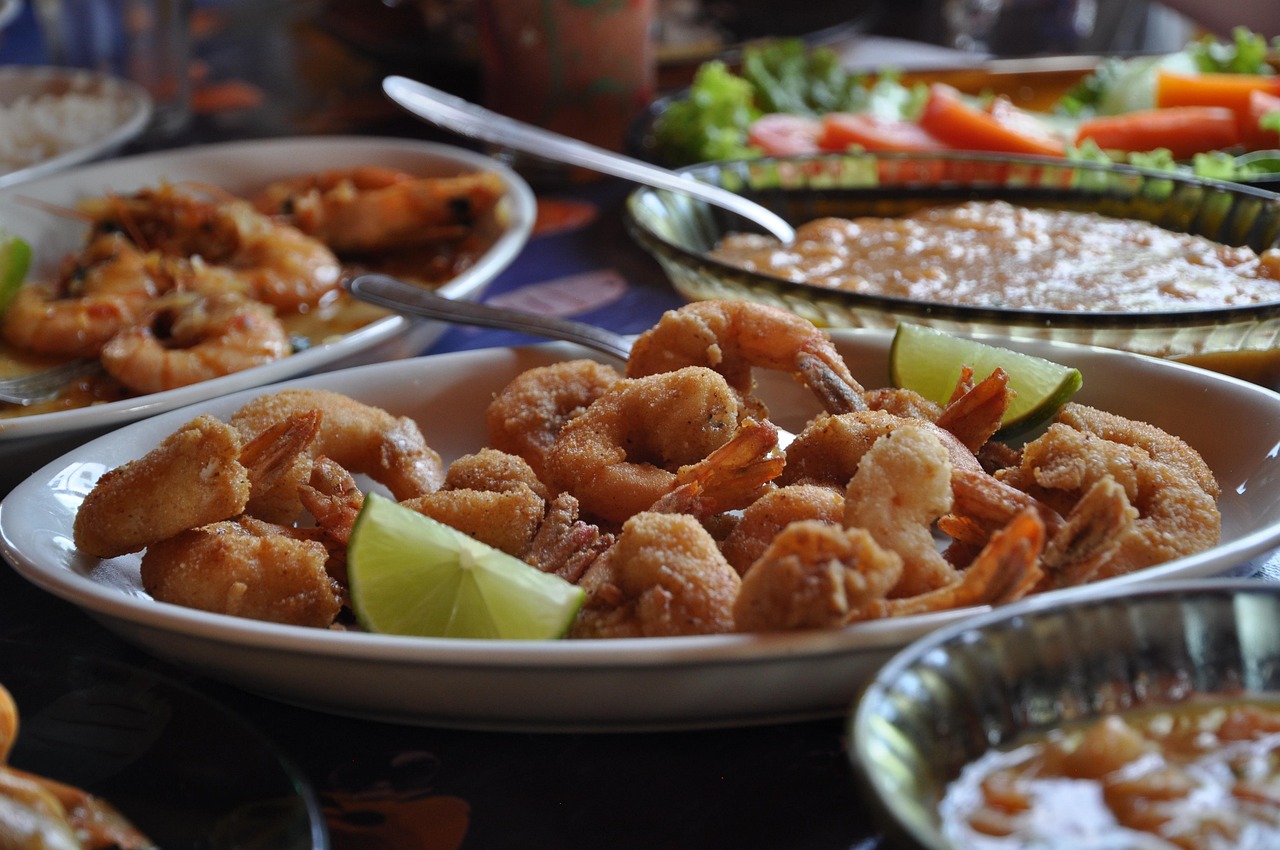
Charleston Culinary Tours
Eat the syllabus — guided walking tours through the city that taught the South to cook: shrimp and grits where they were canonized, Gullah foodways, chef-district crawls, and market-to-table routes. The best first-day investment a food trip makes.

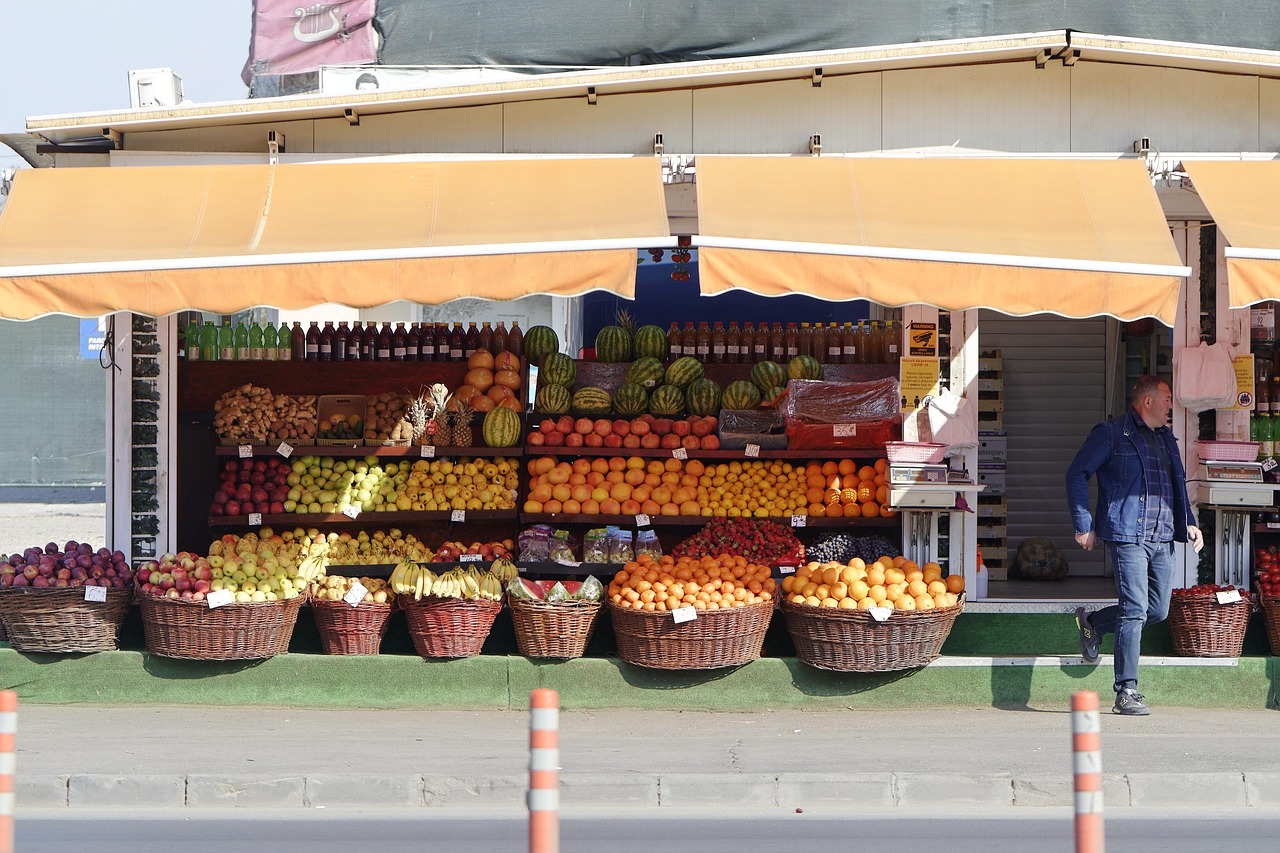
Charleston Farmers Market at Marion Square
A Saturday-morning market on Marion Square, spring into late autumn, with local produce, baked goods, street food, plants and artisans in a lively open-air setting.
Charleston City Market
Four blocks of 1804 market sheds — the sweetgrass basket weavers whose Gullah art defines the city, 300 vendors of local make, the Confederate-museum hall above, and the night market's weekend lights. Free to wander.